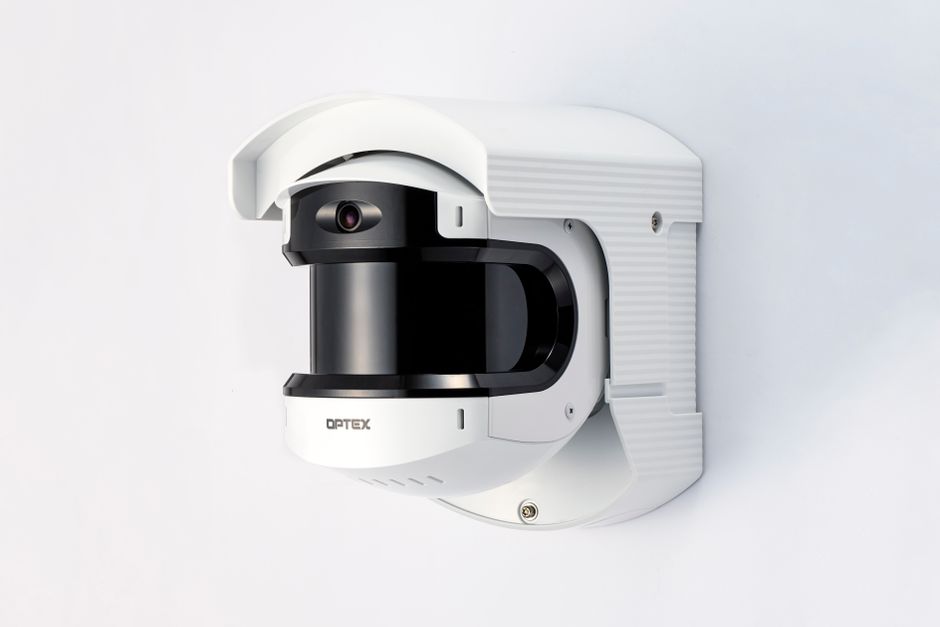
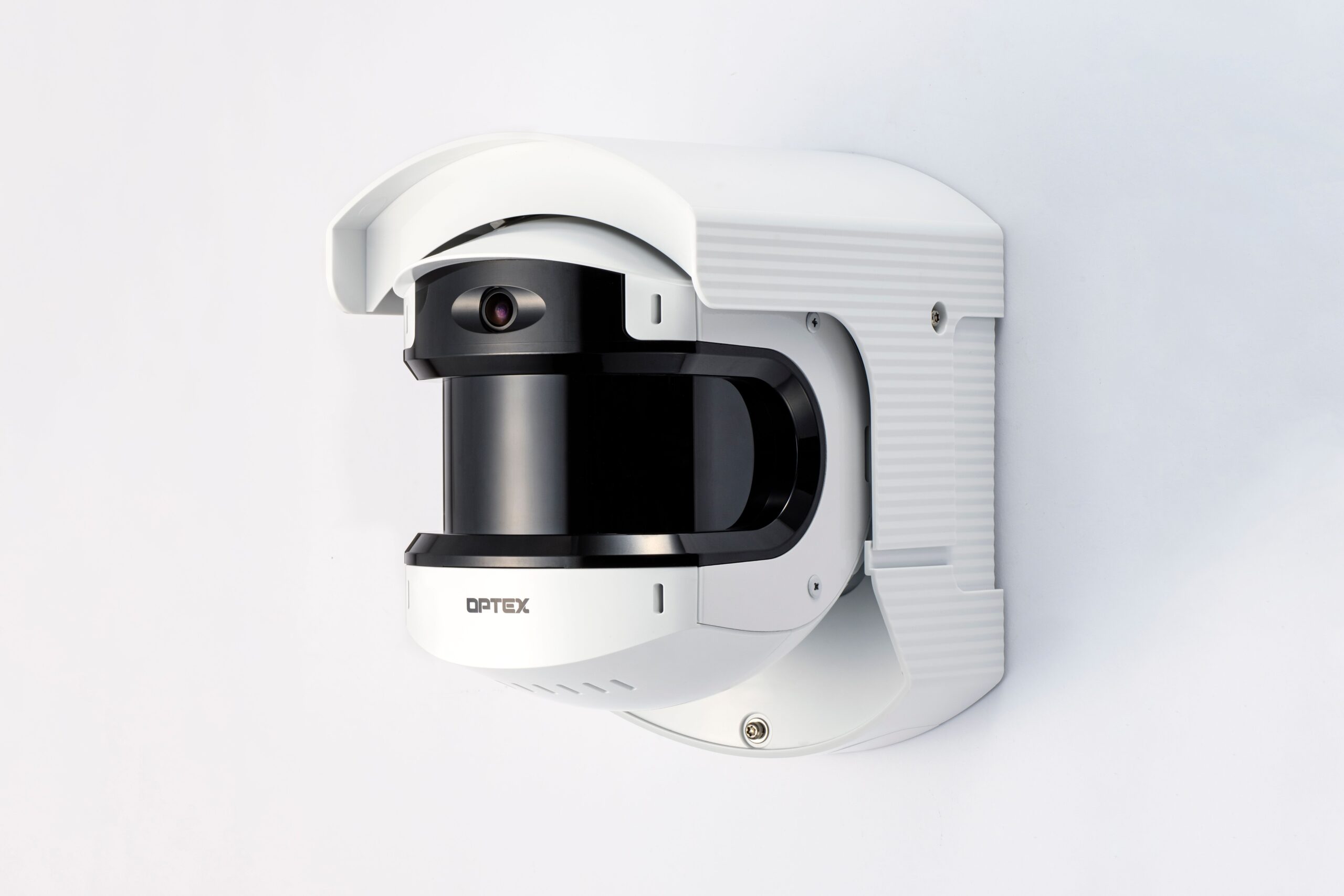
Dome Cameras
Dome cameras are among the most ubiquitous CCTV options, characterized by their distinctive dome-shaped housing. The primary advantage lies in their vandal-resistant design—the tough polycarbonate or metal casing makes it difficult for intruders to physically damage or dislodge the camera. The rounded shape also obscures the direction the lens is pointing, creating uncertainty about surveillance coverage. This psychological deterrent effect is particularly valuable in retail environments and hotels. Dome cameras are available in fixed and PTZ (Pan-Tilt-Zoom) variants, with resolution options ranging from 2MP to 12MP. They excel in indoor settings such as lobbies, hallways, and offices, but weatherproof IP66 or IK10-rated domes are suitable for covered outdoor areas. A limitation is that direct sunlight or artificial light reflecting off the dome can produce glare, reducing image clarity. Installation at a height of 8-10 feet optimizes their field of view while minimizing tampering risk.
Bullet Cameras
Bullet cameras are easily identifiable by their cylindrical, elongated shape, resembling a rifle cartridge. Their design incorporates a long visor-style hood that shields the lens from lens flare, backlight, and rain, making them ideal for harsh outdoor environments. They typically feature infrared (IR) LEDs for night vision, with effective ranges from 30 to 200 feet depending on the model. Bullet cameras are fixed-lens or varifocal, with the latter allowing manual adjustment of the viewing angle (2.8mm-12mm common ranges). Their narrow, directional focus makes them excellent for monitoring specific points like entrances, driveways, parking lots, and perimeter fences. The visible presence serves as a strong deterrent, as the camera housing clearly broadcasts its recording capability. Many bullet cameras now incorporate smart features such as motion detection alerts, line-crossing detection, and human/vehicle classification. However, their exposed nature makes them more susceptible to vandalism than dome cameras. For optimal performance, mount them under eaves or on walls at a downward angle, avoiding direct sunlight in the lens.
PTZ Cameras
PTZ cameras offer motorized pan, tilt, and zoom functionality, enabling remote operators to actively track subjects or cycle through preset positions. A single PTZ can replace multiple fixed cameras by covering a large area dynamically. Resolution typically reaches 4K, and optical zoom lenses extend from 10x to 30x, allowing facial recognition at distances over 100 meters. Advanced PTZ models incorporate auto-tracking algorithms that lock onto and follow moving objects—critical for casinos, airports, stadiums, and large retail warehouses. Modern PTZs feature wide dynamic range (WDR) to handle high-contrast scenes, and many support 360-degree continuous rotation. They require robust mounting and are heavier than fixed cameras; outdoor versions need IP66 or higher ratings. Setup complexity is higher due to wiring for power, video, and control (often via RS-485 or PoE+), and they demand operator training to program presets and patrol patterns. One trade-off: while recording, the PTZ cannot simultaneously monitor other areas unless paired with fixed cameras. Battery backup and surge protection are strongly advised for outdoor installations.
Thermal Cameras
Thermal cameras detect heat signatures rather than visible light, making them invaluable in complete darkness, fog, smoke, and against camouflage. They operate on uncooled microbolometer sensors that capture infrared radiation (8-14 micrometers). Resolution is typically lower than optical cameras (e.g., 160×120 to 640×480) but sufficient for detection. Their primary use is perimeter security—detecting intruders at long distances (hundreds of meters) regardless of lighting. They are also critical for critical infrastructure like power plants, military bases, data centers, and oil refineries where early breach detection is paramount. In commercial settings, thermal cameras monitor electrical panels for overheating, detect fire hot spots, and verify HVAC performance. Dual-sensor models integrate both thermal and optical channels, allowing operators to view heat signatures alongside detailed visible images. Cost remains high ($1,000-$10,000+), limiting widespread adoption. They do not identify individuals or read license plates; detection triggers alarms that cue higher-resolution optical cameras. Thermal cameras require careful calibration and should be mounted to avoid nearby heat sources like exhaust fans or direct sun exposure on the housing.
IP Network Cameras
IP cameras transmit video data over Ethernet cables or Wi-Fi using standard network protocols (TCP/IP, RTSP, ONVIF). They offer higher resolution than analog alternatives (up to 12MP and beyond), with scalable installation over existing network infrastructure. Each camera has its own IP address, enabling remote viewing from anywhere via smartphone apps or VMS software. Power over Ethernet (PoE) simplifies installation by sending both power and data over a single cable. Advanced features include built-in video analytics: motion detection, people counting, facial recognition, license plate recognition (LPR), and virtual tripwires. They support multiple simultaneous streams—high-resolution for recording, lower-resolution for mobile viewing. Storage is centralized on Network Video Recorders (NVRs) or cloud platforms. Bandwidth management is essential; a single 4K camera at 15 fps can consume 10-20 Mbps. For large deployments, network switches must be properly rated. Security vulnerabilities (default passwords, firmware exploits) require rigorous cyber hygiene: VLAN segmentation, HTTPS encryption, and regular updates. IP cameras dominate modern installations and are available in dome, bullet, and specialty form factors.
Analog HD Cameras (HD-TVI, AHD, CVI)
Analog HD cameras bridge the gap between legacy analog and pure IP systems. They transmit high-definition video (up to 4K) over standard coaxial cables (RG59, RG6) using modulation techniques specific to HD-TVI (Techwell), AHD (Nextchip), or CVI (Dahua). They are backward-compatible with older coax infrastructure, drastically reducing upgrade costs. Maximum cable runs extend to 300-500 meters without signal degradation, exceeding the 100-meter limit of Ethernet. Installation is straightforward and familiar to installers accustomed to analog systems, with no network configuration required. Motion detection, remote zoom, and OSD menu adjustments are available on advanced models. However, features like facial recognition, edge analytics, and cloud integration are limited compared to IP cameras. Recording is handled by DVRs (Digital Video Recorders) with hybrid models supporting both analog and IP inputs. These cameras are ideal for retrofit projects in existing homes, small businesses, or buildings with non-removable coax cable. They cannot transmit audio and video on the same cable simultaneously in all variants.
Wireless Cameras
Wireless cameras connect to a network via Wi-Fi (802.11 b/g/n/ac) or cellular data, eliminating the need for Ethernet cabling. They are battery-powered or mains-connected, with the latter offering continuous operation. Placement is highly flexible—interior shelves, garage walls, outdoor posts—limited only by Wi-Fi signal strength. Consumer models integrate directly with apps for live viewing, two-way audio, motion alerts, and cloud storage (often subscription-based). Many feature integrated sirens, spotlights, and Alexa/Google Home compatibility. Security risks are notable: Wi-Fi signals may be jammed or intercepted; unencrypted streams are vulnerable. Reliable performance depends on strong wireless coverage and minimal interference (walls, appliances). Battery-powered units require periodic charging (1-6 months typical). They are best suited for temporary surveillance, rental properties, or areas where drilling is prohibited. For permanent, high-security commercial applications, wired IP cameras are strongly preferred due to reliability and lower latency.
Specialized Cameras
Fish-eye Cameras use ultra-wide-angle lenses (180°-360°) to capture an entire room in a single view, eliminating blind spots. Post-production dewarping software allows viewers to pan, tilt, and zoom within the recorded field. Ideal for open-plan offices, retail floors, and large lobbies. Resolution must be high (12MP+) to maintain detail when zooming.
Varifocal Cameras allow manual adjustment of the lens focal length (typically 2.8mm-12mm) without replacing the entire unit. This flexibility ensures optimal framing during installation, accommodating both wide-area overview and specific narrow focuses.
Day/Night Cameras automatically switch between color (daytime) and black-and-white (night) modes using an IR cut filter. The monochrome mode increases light sensitivity, often used alongside IR illuminators for 24/7 surveillance.
Explosion-Proof Cameras are enclosed in rugged stainless steel or aluminum housings designed to contain internal sparks and prevent ignition of flammable atmospheres. They are certified (ATEX, IECEx, Class I Div 1) for oil rigs, chemical plants, grain silos, and paint warehouses.
License Plate Recognition (LPR) Cameras feature specialized firmware, high shutter speeds (1/5000s or faster), and narrow IR filters to capture plate text at speed (up to 120 mph). They are installed at gate entrances, parking garages, and toll plazas.
Covert Cameras are disguised as smoke detectors, alarm clocks, picture frames, or USB chargers. They are used for hidden surveillance in investigations, employee monitoring (with legal consultation), or personal security. Resolution is often lower due to size constraints.
Body-Worn Cameras are compact units clipped to uniforms (police, security guards, healthcare workers). They provide first-person perspective, (POV) recording, with tamper-proof local storage and one-button activation. They are essential for evidence collection and accountability.
Key Image Quality Factors
Resolution (2MP, 4MP, 8MP, 12MP) determines the level of detail. Higher resolution captures license plates and faces at greater distances but demands more storage and bandwidth. For general identification, 4MP is adequate; for forensic detail, 8MP or higher.
Frame Rate (FPS) affects smoothness. 15 fps works for standard surveillance; 30 fps is needed for fast-moving objects (vehicles, people running). Recording at lower fps saves storage.
Wide Dynamic Range (WDR) balances bright and dark areas within the same frame—critical for scenes with windows or direct sun. WDR 120dB or 140dB handles extreme contrast.
Low Light Sensitivity (measured in lux) indicates performance in darkness. 0.001 lux or less with IR is ideal for moonless nights. Color night vision (using white LEDs) provides identification but may be intrusive.
Field of View (FOV) is determined by lens focal length. 2.8mm offers a wide FOV (~110°), 6mm narrows (~50°), 12mm tight (~25°). Select based on monitoring distance: 2.8mm for corridors, 6mm for doorways, 12mm for far end of a long room.
Power, Connectivity, and Storage
Power over Ethernet (PoE) is the most efficient for IP cameras, combining power and data in one cable (cat5e/6). PoE injectors or PoE switches are required. 12V DC or 24V AC power is common for analog cameras and some outdoor PTZs. Battery power suits wireless models but requires management.
Cabling: Coaxial RG59 for analog HD (300m+ runs), Cat6 for IP (100m max before repeaters or fiber), and Siamese cable (coaxial + power) for traditional analog systems.
Storage: DVRs record analog HD; NVRs record IP video. Hard drive capacity is calculated based on resolution, frame rate, motion detection compression, and retention period (typically 7-30 days). 1 TB may hold 7 days of 4MP continuous recording; motion-based recording reduces storage by 50-80%. Cloud storage offers off-site redundancy but requires internet and recurring fees.
Legal and Compliance Considerations
Camera placement must respect privacy laws (e.g., GDPR, HIPAA, local ordinances). Overt recording is generally permitted in public and commercial areas, but covert audio recording is illegal in many jurisdictions. Signs notifying of surveillance are legally required in states like California and Illinois (two-party consent). Cameras cannot target bathrooms, changing rooms, or private residences without consent. The Resolution 4K provides superior detail capture, but that data must be securely stored and access logged. Retention policies should be defined and enforced. For businesses, data retention beyond 30-90 days may require justification. Always consult a local attorney for compliance with applicable laws.