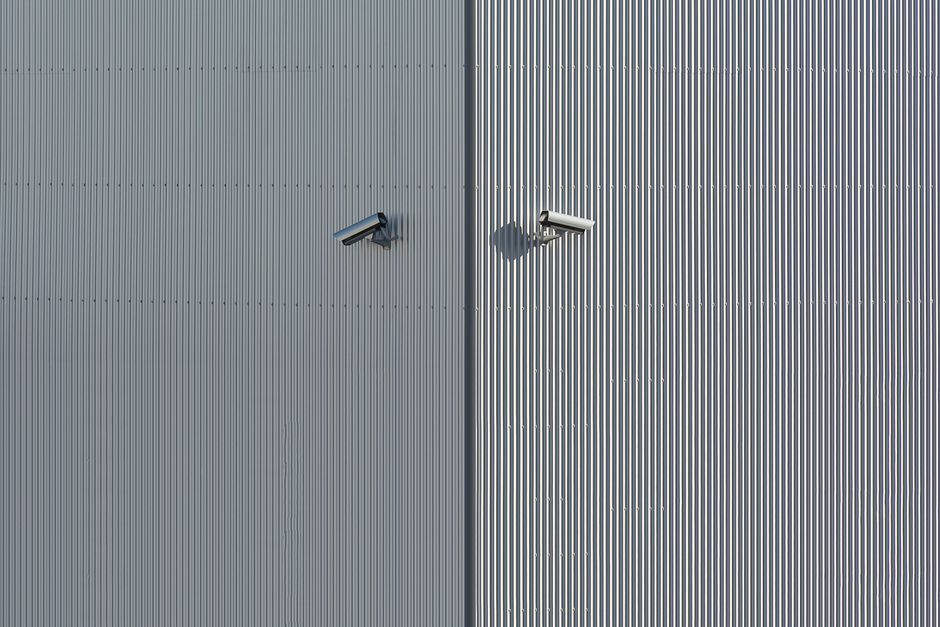

The Unblinking Eye: How CCTV Systems Fortify Home Security and Actively Deter Crime
The modern home is more than just a dwelling; it is a repository of memories, assets, and personal sanctuary. Protecting this space has evolved from simple locks and sturdy doors to a sophisticated network of digital sentinels. Among these, the Closed-Circuit Television (CCTV) system stands as the most visible, versatile, and psychologically potent deterrent to criminal activity. While the technology behind surveillance cameras has advanced exponentially, their core purpose remains unchanged: to observe, record, and prevent. Understanding the mechanisms through which CCTV systems achieve this is crucial for any homeowner seeking to bolster their security posture.
The Psychology of Deterrence: The “Watchful Eye” Effect
The most significant contribution of a CCTV system to home security is not in its ability to identify a perpetrator after a crime, but in its power to prevent the crime from ever occurring. This is rooted in the “watchful eye” effect, a well-documented psychological phenomenon. Potential intruders, by nature, seek low-risk, high-reward scenarios. They operate based on a simple cost-benefit analysis: the easier the target, the greater the likelihood of success. A visible camera fundamentally alters this equation.
-
Perceived Risk Elevation: The sight of a camera immediately introduces the element of identification. A robber cannot be confident that his face is obscured or that he won’t leave behind crucial evidence like gait or clothing details. The perceived probability of being caught—and subsequently prosecuted—soars. This single perceptual shift is often enough to make a would-be criminal bypass a home entirely in favor of a less guarded neighbor.
-
Elimination of Anonymity: The urban environment provides a degree of anonymity that criminals exploit. A CCTV system shatters that anonymity. It creates a permanent, unblinking record of a person’s presence and actions. This knowledge is a powerful psychological barrier, transforming a potentially “invisible” crime into a documented event.
-
Behavioral Modification in Public View: The deterrent effect extends beyond the immediate property. A camera pointed at a front gate or driveway signals that the homeowner is vigilant and actively monitoring the perimeter. This can dissuade not only burglars but also vandals, package thieves (“porch pirates”), trespassers, and even individuals looking to case the property for a later date. The system projects an image of an engaged, proactive homeowner, which is the antithesis of the ideal target for most criminals.
Beyond Deterrence: The Tangible Mechanisms of Improved Security
While the psychological impact is paramount, CCTV systems provide a suite of concrete security benefits that dramatically improve a home’s overall safety.
Active Monitoring and Real-Time Response:
Modern systems are no longer passive tape recorders. Internet Protocol (IP) cameras equipped with AI-powered analytics can differentiate between a person, a vehicle, and a stray animal. Motion-triggered alerts can be sent directly to a homeowner’s smartphone in real-time. This capability transforms a static deterrent into an active security system. A homeowner can:
- Verify an Alarm: If a door sensor triggers an alarm, the homeowner can instantly view the camera feed to see if it is a legitimate threat or a false alarm caused by a pet or a gust of wind. This reduces police response to non-events.
- Speak to a Visitor: Two-way audio cameras allow a homeowner to speak directly to a delivery person, a solicitor, or a potential intruder. The sound of a stern voice asking, “Can I help you?” is a powerful deterrent that physical cameras alone cannot provide.
- Summon Emergency Services: Upon seeing a genuine threat, a homeowner can alert neighbors and call 911 while providing real-time information about the suspect’s location, appearance, and actions—a critical advantage that significantly increases the chances of apprehension.
Forensic Evidence and Prosecution:
If deterrence fails and a crime is committed, a high-definition CCTV recording becomes the single most valuable piece of evidence. Law enforcement relies heavily on video footage to identify suspects, track vehicles, and establish timelines. A clear image of a face or a license plate can turn an unsolvable case into an open-and-shut one.
- Conviction Rates: Studies consistently show that cases with video evidence are significantly more likely to result in a conviction. The certainty of being recorded changes the outcome for the victim and sends a clear message to the community about the consequences of crime.
- Insurance and Liability: In the event of a break-in or vandalism, crystal-clear footage expedites insurance claims. It proves the loss occurred, documents the extent of the damage, and can help refute fraudulent claims. Furthermore, CCTV can protect the homeowner from liability by proving a trespasser ignored signs or by documenting accidents on the property (e.g., a delivery person slipping on ice).
Strategic Placement: Maximizing the Deterrent and Security Value
The effectiveness of a CCTV system is directly proportional to its strategic deployment. Simply placing a camera on the front porch is insufficient for comprehensive security. A layered approach, mimicking security best practices, is essential.
Zone 1: Perimeter & Entry Points: The most critical area is the property’s perimeter. Cameras should cover every potential point of forced entry:
- Front Door & Main Entrance: This is the most common entry point and should have a discreet but visible camera. A doorbell camera is ideal for this.
- Back & Side Doors: Often more secluded, these are prime targets. Cameras here should be mounted high, out of arm’s reach, to prevent tampering.
- Ground-Floor Windows: A camera with a wide-angle lens covering a bank of windows can be highly effective. Motion-activated floodlights integrated with the camera provide an additional debilitating layer of deterrence (light + camera).
- Garage: A vulnerable point. A camera should cover the garage door and the door leading from the garage into the home.
Zone 2: The Yard & Driveway: These areas monitor approach and escape routes.
- Driveway: A camera covering the driveway captures vehicle information and anyone approaching the front gate or vehicles.
- Yard Paths: Strategic cameras along pathways can monitor movement across the property, providing a clear picture of how a suspect approached and left.
Integration: The Smart Home Ecosystem
The true power of a modern CCTV system is unlocked through integration. It should not exist in a silo. Connecting it with other smart home devices creates a synergistic security network:
- Smart Lighting: When a camera detects motion, it can trigger exterior lights to turn on. A well-lit yard is a powerful deterrent, and the combination of light and camera is more effective than either alone.
- Smart Locks: A camera can confirm the identity of a guest or service provider, allowing the homeowner to remotely unlock a door via a smart lock, never compromising the main lock’s physical security.
- Alarm Systems: As mentioned, cameras act as the “eyes” for an alarm system, verifying alerts and providing the context needed for an appropriate response.
- Digital Video Recorders (DVR) & Network Video Recorders (NVR): The choice between a DVR (for analog cameras) and an NVR (for IP cameras) is critical. NVRs offer higher resolution (4K), better analytics, and easier integration with smart home hubs. Cloud storage options provide off-site backup, ensuring footage is safe even if the recorder is stolen.
Addressing Common Concerns: Privacy and Security
A responsible discussion of CCTV must address the valid privacy concerns. A well-designed system should monitor public or semi-public areas of the property and should never be pointed into a neighbor’s home, bedroom, or bathroom. Clear signage informing visitors of video surveillance is both good etiquette and legally advisable in many jurisdictions.
Furthermore, the security of the camera system itself is paramount. Many cheap, off-brand devices are notoriously insecure, susceptible to hacking, and can become a vector for network intrusion. A robust system demands:
- Strong, Unique Passwords: Never use default passwords.
- Firmware Updates: Regularly update the camera and NVR/DVR firmware.
- Network Segmentation: Place all IoT devices, including cameras, on a separate Wi-Fi network (a guest network) to isolate them from sensitive personal data on the main network.
- Encrypted Storage: Ensure footage is stored using encryption, both locally and in the cloud.
The decision to install a CCTV system is an investment in peace of mind. It is a declaration that a home is not a soft target. By leveraging the dual power of psychological deterrence and technological surveillance, a well-chosen, strategically placed, and securely configured CCTV system fundamentally alters the security calculus for any potential intruder, transforming a home into an active participant in its own defense. The visible presence of a camera is a silent, constant argument for a potential criminal to look elsewhere, making the neighborhood safer for everyone.