Aqara vs. Philips Hue: Which Smart Ecosystem Wins? A Detailed Technical & Practical Breakdown
The Core Philosophies: Matter-Ready vs. Proven Luxury
Understanding the fundamental design goals of each brand is critical before comparing products. Philips Hue, owned by Signify, built its empire on the simplicity of the Zigbee Light Link protocol and a singular focus: the perfect lighting experience. It prioritizes color accuracy, white point variation (from warm candlelight to cool daylight), and a frictionless user experience. Its ecosystem is walled but meticulously curated. Aqara, a Chinese IoT giant, operates on a different principle: ubiquitous sensor integration and home automation. Its ecosystem uses the broader Zigbee 3.0 protocol (and now Thread/Matter) to power a vast catalog of sensors (vibration, temperature, human presence, water leak, door/window) alongside switches, curtains, and lights. The core question is not which is “better,” but which matches your specific automation needs.
Hardware Architecture & Hub Requirements: The Entry Point
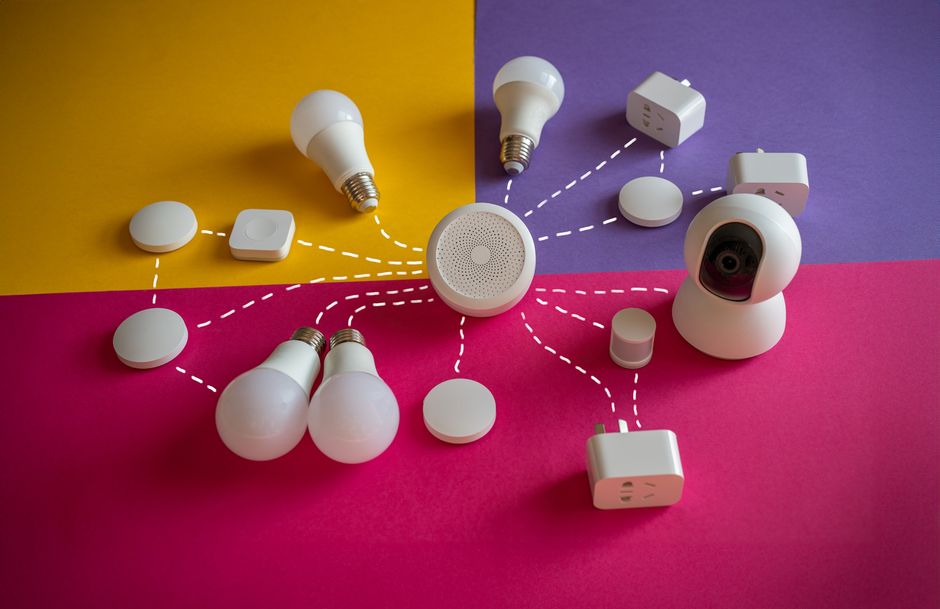
Philips Hue requires a Hue Bridge for full functionality (dimming beyond a physical switch, automations, out-of-home control). The Bridge (approximately $50) communicates over Zigbee and connects to your router via Ethernet. Direct Bluetooth pairing works for basic control of up to 10 bulbs, but it is severely limited in range and automation capability. This is a fixed-cost entry point. Aqara operates similarly but with critical differences. Its hubs (M2, M1S, E1) also connect via Ethernet or Wi-Fi and use Zigbee 3.0. However, Aqara hubs often include embedded features like a nightlight, a speaker for doorbell chimes, or an IR blaster for controlling legacy appliances. Crucially, some recent Aqara devices (like the Hub M3) support Thread as a border router, making them more future-proof for the Matter standard. Aqara’s hub cost is generally lower ($30-$60), and unlike Hue, many third-party Zigbee devices (like IKEA Tradfri bulbs) can sometimes be paired to an Aqara hub, granting greater flexibility, though this is unsupported and unstable.
Lighting Quality & Performance: The Decisive Factor for Ambiance
If pure light quality is non-negotiable, Philips Hue wins decisively. Hue bulbs utilize high-quality LEDs with superior Color Rendering Index (CRI) ratings (often 80+ on standard, 90+ on White Ambiance). The “Lux” bulbs simulate a natural sunrise/sunset cycle accurately. Hue’s gradient light strips and Play gradient tubes use dynamic zone control for immersive ambient TV backlighting, a feature Aqara does not replicate. Hue’s Bluetooth mesh technology (via the Bridge) ensures lights respond instantly—latency is typically under 50ms for a press on a Hue Dimmer Switch. Aqara’s ceiling lights (e.g., the T1 series) and bulbs offer respectable 4000K-2700K tunability and RGB, but they lack the nuanced color gamut and deep saturation of Hue bulbs. Aqara excels in form factor: it offers smart ceiling lights (panel lights, downlights) that replace entire fixtures, while Hue primarily sells bulbs, strips, and portable lamps. For a whole-home installation with recessed cans, Aqara is often simpler and cheaper than screwing in 20 Hue bulbs.
Sensor Ecosystem & True Automation: Where Aqara Dominates
This is Aqara’s uncontested territory. Philips Hue offers only basic motion sensors (with a fixed 4-minute timeout that is a known pain point) and a contact sensor for doors. Aqara offers over 40 distinct sensor types:
- FP2 Human Presence Sensor: Uses millimeter-wave radar to detect micro-movements (breathing, sleeping) in a room, even if a person is perfectly still. Hue has no equivalent.
- Vibration Sensor: Detects pipe vibrations, washing machine cycles, or knocks on a door.
- Temperature, Humidity, Pressure: Triggers heaters or humidifiers in automations.
- Water Leak Sensor: Full submersion detection with an audible alarm.
- Curtain Motor: Aqara sells a Zigbee curtain controller with open-close percentages, perfectly integrated with its sensors.
In Aqara, you can program a scene where “if the human presence sensor detects no one for 10 minutes AND the humidity sensor reads >70%, turn off the bathroom fan AND dim the lights.” Hue’s automations are limited to “when motion detected, turn on lights” or “when sun sets, turn on lights.” Aqara operates like a real building management system.
Smart Home Platform Integration: The Middleware Battle
Both ecosystems connect to Apple HomeKit, Amazon Alexa, Google Home, and Samsung SmartThings natively. However, the quality of integration varies. Hue is the gold standard for HomeKit: works as a primary hub, exposes all bulbs and accessories, and supports adaptive lighting that automatically shifts color temperature throughout the day. Aqara is also strong on HomeKit but often requires manual firmware updates and occasional pairing resets. On Google Home, Hue’s voice response time is marginally faster. The critical difference is complexity of cross-platform automation. Hue’s native app (Philips Hue 4.0) is beautiful but rigid—you cannot create conditions based on temperature or leaks. Aqara’s app is user-ugly but algorithmic—you can create nested if-else scenarios, time delays, and value comparisons. For power users who want to chain “if leak detected, shutoff water valve (Aqara), turn red lights on (Aqara), and send a push notification (Aqara),” the choice is clear. For casual users who just want a sunset script, Hue is cleaner.
Matter Compatibility & Future-Proofing
The rollout of the Matter smart home standard is reshaping these ecosystems. Philips Hue has been a Matter launch partner; its Bridge can be updated to act as a Matter bridge, exposing all connected bulbs to any Matter controller. This means you could buy Hue bulbs and control them via a Samsung SmartThings hub without a Hue Bridge. However, Hue’s implementation is currently limited—you lose advanced features like Hue Entertainment (sync lights with TV) and some Adaptive Lighting settings when using Matter control. Aqara is also deeply invested in Matter. Its Hub M3 is a Thread/Matter border router, and the company has committed to retrofitting older hubs with Matter-over-Bridge support. Because Aqara supports Thread for sensors and locks, it is arguably more forward-looking for a mixed-brand home. If you plan to buy a Thread-based lock (like Aqara’s U100), the Aqara hub can be the sole coordinator for lights, sensors, and security.
Pricing, Value, and Scalability
A single Philips Hue White & Color Ambiance A19 bulb (800 lumens) costs approximately $49.99. A comparable Aqara RGB bulb (T1) costs approximately $29.99. The price gap widens for smart switches: Aqara offers a wired Smart Wall Switch (with neutral required) for ~$35 that completely replaces a traditional light switch, controlling legacy bulbs. Hue requires you to keep the wall switch permanently on and use a $40 remote fob. For a 3-bedroom house with 15 light points, the cost difference is staggering: Aqara might cost $800 (switches + a hub + sensors), while Hue would approach $1,500+ (bulbs + bridge + remotes). Aqara also sells a $40 Smart Plug that monitors energy usage, while Hue offers only the more expensive Hue Plug ($50). For large-scale deployment, Aqara is significantly more economical. However, cheaper does not mean cheaper-feeling: Aqara’s plastic build on its motion sensors is noticeably less premium than Hue’s magnetic, metal-bodied sensor.
Reliability, Customer Support, and Ecosystem Longevity
Philips Hue is the market incumbent. The Bridge uses a robust Zigbee mesh that, once set up, can handle 50+ bulbs without saturation. Firmware updates are stable, and devices rarely drop off the mesh. Hue bulbs consume very little standby power (~0.1W). Customer support is generally responsive, with a dedicated online knowledge base and hardware warranty (2 years in most regions). Aqara, despite its rapid growth, has historically struggled with consistency. Early hubs had Wi-Fi dropout issues resolved only after multiple firmware patches. Third-party sensor pairing remains flaky. The device certification process for different regions (China vs. US vs. EU) sometimes means a sensor sold in Europe cannot bind properly to a US hub without manual Zigbee channel changes. Customer support is available but often slower, with language barriers and scripted responses. For a user who wants “set it and forget it” reliability for years, Hue is the safe choice. For a tinkerer who accepts occasional troubleshooting in exchange for extreme automation power, Aqara offers deeper capability.
Security & Privacy Considerations
Both systems rely on local processing for core functions (lights and sensors do not need cloud access to respond to a switch). However, Aqara’s cloud dependency is higher for voice assistant integrations and some Scene triggers. The Aqara app sends telemetry data to Chinese-based servers (Alibaba Cloud), which concerns privacy-focused users. Philips Hue uses AWS servers located in the EU or US. For users who completely block internet access to their bridges, both systems will retain local functionality for basic automation. Hue’s local API (accessible via HomeKit or a developer token) is more mature and documented than Aqara’s local HTTP API. If you use Home Assistant, both are first-class citizens, but Hue’s integration is plug-and-play, while Aqara’s often requires a dedicated Aqara gateway paired with the Home Assistant MQTT bridge.
The Verdict on Core Use Cases
- For cinematic lighting and ambiance: Hue wins. The gradient lightstrip, TV sync, and deep color saturation are unmatched.
- For whole-home automation and security: Aqara wins. The presence sensors, leak detectors, and switch ecosystem create a true smart home, not just smart lighting.
- For Apple HomeKit users: Both are excellent, but Hue’s native Adaptive Lighting and stable Thread support (on the new Hue bridge) give it a slight edge for simplicity.
- For tech enthusiasts and Home Assistant users: Aqara offers superior sensor data (lux, temperature, vibration, presence zone) at a lower price point.
- For large homes or apartments: Aqara scales cheaper and offers more control points (switches, curtains, fans). Hue scales better for pure light quantity but not for mixed device categories.
- For renters: Aqara’s non-destructive Smart Switches (wireless versions) can be mounted over existing switches, but Hue’s portable lamps and plug-in bulbs are easier to take when moving.